How does AI impact our life?
AI is already influencing our lives in many ways, and its influence is likely to increase in the future...
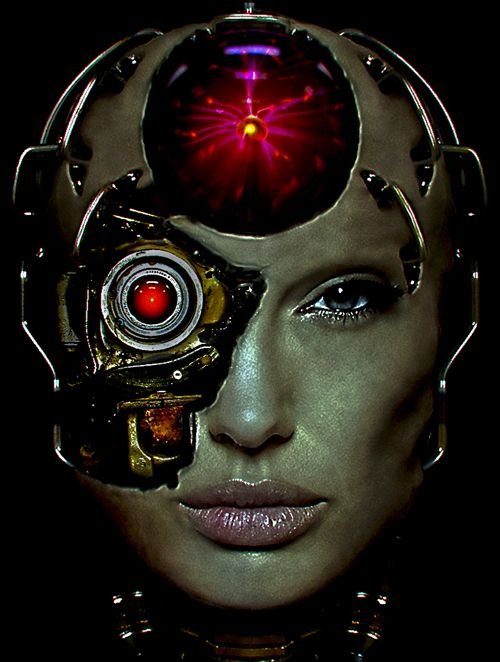
How does AI impact our life? Here are some ways AI is currently affecting our lives:
Personalization:
AI-powered algorithms are used to personalize our online experiences, from the ads we see to the content we consume. This helps us to find the information and products that are most relevant to our interests and needs.
Smart homes:
AI-powered devices such as smart speakers and thermostats make our home more comfortable and efficient. They can be controlled with voice commands or through apps, and over time they learn our preferences to make our lives easier.
Health:
AI is used to analyze patient data to detect patterns and predict outcomes, which can lead to better diagnoses and treatment plans. AI is also being used to develop new drugs and treatments.
Customer service:
AI-powered chatbots are used to provide round-the-clock customer service, answer questions and solve problems without the need for human intervention.
Finance:
AI is used in the financial industry to detect fraud, analyze investment opportunities and automate trading. This can lead to more accurate and efficient decision-making.
Transport:
AI-supported systems are used to optimize traffic flow, reduce accidents and improve logistics. Self-driving cars are also being developed, which could eventually revolutionize the transport system.
AI our life:
Overall, AI influences our lives in many ways and makes our daily activities more convenient, efficient and personalized. However, there are also concerns about the possible negative effects of AI, such as the relocation of jobs and the ethical implications of its use.
How does AI impact our life?
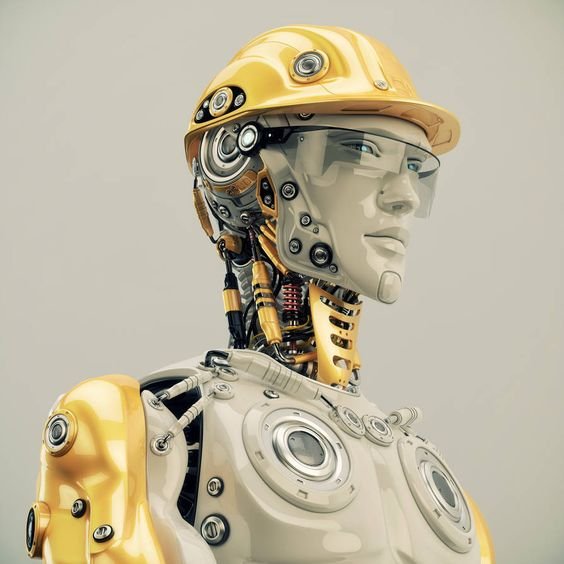
How does AI affect our lives? AI stands for Artificial Intelligence and is a simulated intelligence that behaves like humans, such as speech recognition, visual perception and decision-making. In this text, we will examine in detail how AI is changing our way of life and how we can adapt and optimize its use.
Section 1: The Evolution of AI
At its core, AI is based on machine learning, which has revolutionized the way software is developed. Traditional software programming used to be a tedious process of writing code line by line, but now it's more about teaching machines to think like humans over time. With the rapid advances in computing power and the availability of the extensively available data in the form of the Internet, AI has become more sophisticated and able to perform advanced functions such as face recognition, speech-to-text conversion and natural language processing.
Section 2: AI and Everyday Life
AI has infiltrated almost all aspects of our daily lives. From social media algorithms that curate our feeds to virtual assistants like Siri and Alexa that manage our schedule, AI has made our lives much more convenient and efficient. It helps us to save time, automate stressful tasks and make informed decisions. In healthcare, AI is revolutionizing diagnosis and treatment, minimizing human errors and improving outcomes. AI-powered autonomous vehicles have recently been tested and are on the verge of becoming the norm with much safer roads.
Section 3: The Impact of AI on Jobs
The rise of AI and automation has raised concerns about job relocation, but the reality is a little different. While many low-skilled jobs could be at risk, AI is creating many new job opportunities in professions related to the development and management of AI. Technology has enabled business advancements that allow employees to focus on creative problem solving and higher-level tasks. In addition, many low-skilled jobs could be optimized and made more efficient, leading to a better, more productive labor market.
Section 4: AI and the Future
Looking ahead, the impact of AI will only increase. With the rapid development of quantum computing, AI is becoming more and more sophisticated, enabling novel interactions and even more complex tasks.
However, AI raises ethical concerns, and the one question remains whether AI can ever replace human learning and creativity and make us obsolete.