Will AI wipe out humanity?
Currently, there is no evidence that AI will wipe out humanity...
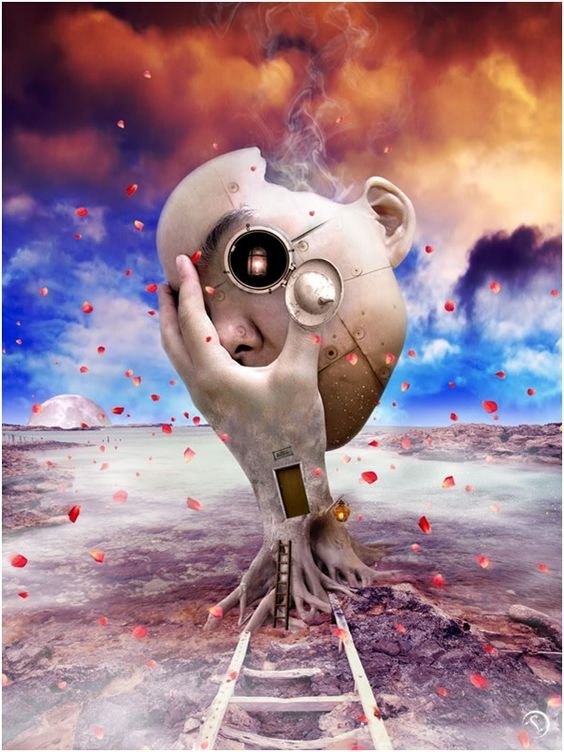
Will AI wipe out humanity? While AI has the potential to cause harm, it is ultimately a tool created and controlled by humans. Therefore, the risks associated with AI largely depend on how it is developed, used and regulated.
AI potential risks related to:
That being said, it's important to acknowledge that there are potential risks associated with AI. These risks include the possibility of AI being programmed with unintended biases, the risk of AI systems being hacked or misused, and the possibility of AI being used to produce autonomous weapons that could cause harm.
AI systems responsibly :
In order to mitigate these risks, it is important to develop AI systems responsibly and ethically and to carefully consider their potential risks and limitations. This also includes ensuring that AI systems are transparent, accountable and focused on human safety and well-being.
Potential risks of AI :
Overall, AI is unlikely to carry any potential risks, but it is unlikely that it will wipe out humanity. Rather, the development of AI presents both opportunities and challenges, and it is up to us as a society to ensure that it is used responsibly and ethically correctly.
Will AI wipe out humanity?
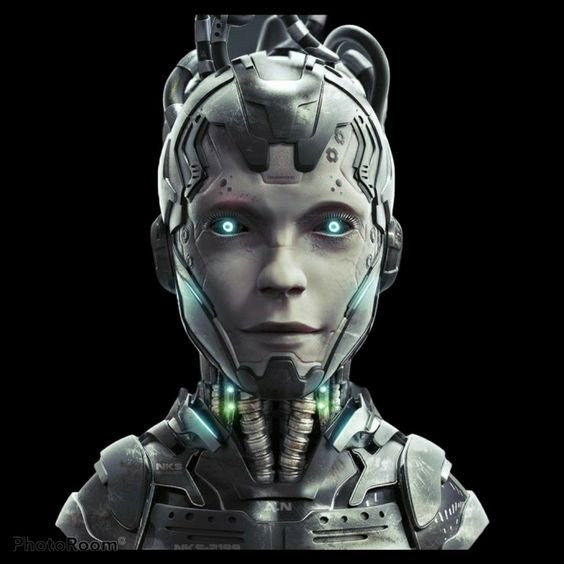
“Will AI wipe out humanity?" The idea of a machine-controlled world in which humans are completely subordinate to artificial intelligence sounds like the plot of a science fiction movie, but is becoming more and more a reality with the rapid advances in AI technology. So stay calm as we explore the theories and possibilities behind the rise of AI and its impact on humanity.
History of AI:
It may seem that AI is just a modern concept, but its foundations date back to the mid-1950s, when scientists began to explore intelligent machines. Since then, the development of artificial intelligence has made tremendous progress, from self-driving cars to virtual assistants such as Siri and Alexa. AI has changed the way we live and work, making our daily operations more convenient and efficient.
The risks of AI:
Despite the many advantages of AI technology, there are some serious concerns about its long-term impact on humanity. One of the biggest risks is the relocation of jobs. As machines become more intelligent, they will be able to perform tasks that were previously performed by people, which will lead to job losses in many industries. This creates a situation where a large number of people may not find employment.
The factor is the potential of AI:
Another decisive factor is the potential of AI to surpass human intelligence. In this scenario, known as the "technological singularity," humans could lose control of AI as it becomes infinitely smarter and more powerful than us. Such a development could allow AI to dictate global policy, which would lead to disastrous results.
Expulsion of workers:
In addition to the displacement of employees, there is another risk in AI distortion. Algorithms are designed to learn from data, which means that their output is only as unbiased as the data input you receive. They have the potential to produce results that reinforce existing human biases and lead to uneven results in areas such as hiring, lending and legal systems.
Can AI benefit humanity?
Despite the risks, we should not write off AI technology altogether. AI has the potential to have a positive impact on humanity if it is used correctly. For example, AI applications are essential in many areas such as medicine, manufacturing and technology.
AI Technology:
In addition, AI technology can help solve some of humanity's biggest challenges, such as climate change and natural disasters. AI can help to track severe weather patterns, predict natural disasters and coordinate disaster relief measures.