What is AI in technology?
AI (Artificial Intelligence) is a branch of computer science and technology that focuses on the development of intelligent machines that can perform tasks that normally require human intelligence, such as visual perception, speech recognition, decision-making and natural language processing...

What is AI in technology? AI technology uses algorithms and statistical models to analyze and interpret complex data sets, learn from previous experience, and make predictions or recommendations based on this data. Machine learning, deep learning and neural networks are some of the key technologies used in AI.
AI technology
In technology, AI has many applications, including speech recognition, natural language processing, image and video recognition, autonomous vehicles, robotics, and predictive analytics. AI technology is also used in various industries, including healthcare, finance, education and manufacturing, to automate processes, improve efficiency and create new opportunities for innovation.
What is AI in technology?
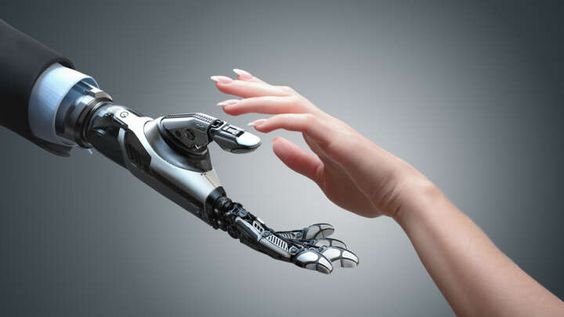
Today we are here to discuss one of the most discussed topics in technology - AI. The concept of AI has been around for decades, but it's only recently that it's really caught on. AI has influenced our lives in ways that we could not have imagined just a few years ago. What exactly is AI and how does it work?
Definition:
Simply put, AI is an umbrella term that describes the ability of machines to simulate human intelligence and perform tasks that typically require human intelligence. This can include tasks such as recognizing speech, making decisions, identifying objects.
How it works:
AI is essentially based on data. The machine learning algorithms used to create AI systems learn from the data they receive. These algorithms recognize patterns and use this data to learn how different tasks are performed.
Types of AI:
There are three types of AI: Narrow AI, General AI and Super AI. Narrow AI, also called weak AI, is designed to perform certain tasks, such as speech recognition in smartphones or recommendation engines for online purchases. General AI is designed to mimic a person's ability to learn and perform a number of tasks. Super-AI is still in the field of science fiction, as it is designed to surpass human intelligence and our cognitive abilities.
Applications of AI:
AI has been used in a number of applications, including healthcare, finance, education, transportation, and entertainment. For example, in healthcare, AI has been used to diagnose diseases, in finance, an AI algorithm can predict future stock prices, and in transportation, self-driving cars use AI algorithms to navigate the streets of the city.
Concerns:
Although AI offers many advantages, there are also concerns about the risks it poses to society. Some experts are concerned about the use of AI in weapons, the relocation of human jobs and the ethics of AI systems.
Conclusion:
In summary, AI is a complex and powerful technology that has the potential to revolutionize many aspects of our society. However, we must be careful when using it and make sure that it is used ethically and responsibly. We hope you enjoyed this detailed overview of AI and its impact on our world.