What are the 4 types of AI technology?
The four types of AI technology are:..
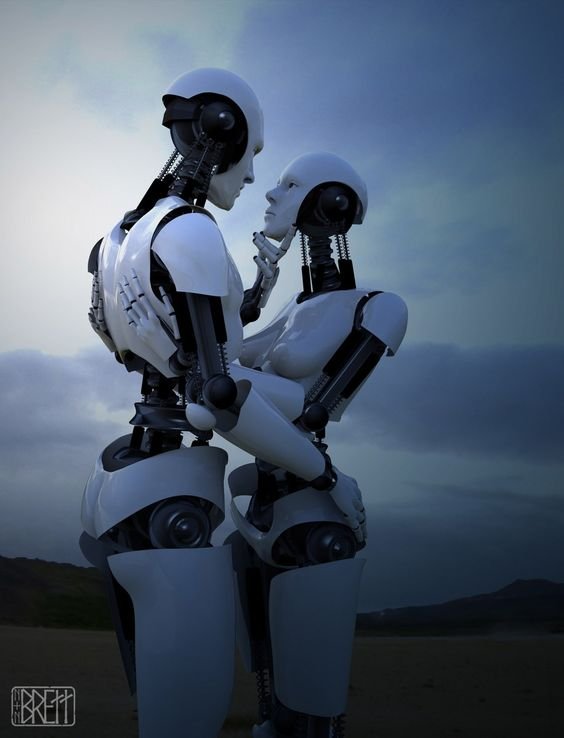
What are the 4 types of AI technology? Reactive machines: These are the most basic form of AI that can respond to a specific set of inputs without memory or past experiences. They cannot learn or change their behavior based on past experiences.
Examples of reactive machines are Deep Blue, the chess game computer, and AlphaGo, the program that defeated the world champion in the board game Go.
Limited memory:
These AI systems can use past experiences to make their current decisions. You can store and recall past experiences and use this information to make decisions. Self-driving cars are an example of AI with limited memory that uses sensor data and previous driving experience to navigate the road.
Theory of mind:
This refers to the ability of an AI system to understand the mental states of other entities and predict their behavior. This type of AI is still mostly in the research phase, but it has potential applications in areas such as psychology, social work and human-robot interaction.
Self-aware AI:
This is the most advanced form of AI that can not only understand the environment and other entities, but also understand its own existence. Self-aware AI does not currently exist, but it is a research topic in areas such as cognitive science, philosophy and computer science.
What are the 4 types of AI technology?

Today we are diving into one of the most fascinating and fastest growing fields in the technology industry: artificial intelligence, or AI for short.
AI in our daily life:
As we all know, AI has become ubiquitous in our daily lives, and it's no secret that it is radically changing the way we live, work and communicate with each other. But what exactly is AI and what types of AI technologies are there out there?
Research of AI technologies:
Well, in this text we will examine the four main categories of AI technologies that power the world in different ways. So buckle up, get a coffee and let's get started!
Type of AI technology are reactive machines:
The first type of AI technology is reactive machines. These systems are designed to respond to specific inputs in a sophisticated and efficient way. They are programmed to "react" to a certain situation without being able to "think" themselves. Examples of reactive machines are chess game computers, autonomous cars, and language translation software.
Analyzing experiences:
Next, we have a limited memory AI. These systems are similar to reactive machines, but they are capable of storing past data and making decisions based on it. You can analyze your past experiences and learn from them, but you still lack the ability to be truly "intelligent". Examples of AI with limited memory are virtual assistants such as Siri, Alexa or Google Assistant.
The third type is the self-confident AI:
These systems are able not only to analyze data, but also to make judgments based on this information. They have the ability to understand their environment and learn from it. They are the closest to the AI of science fiction and cause the most debate, as many experts believe that self-confident AI can begin to think and work independently. An example of self-confident AI is IBM's Watson computer.
Finally, we have the most advanced type of AI technology:
Artificial general intelligence, also called AGI for short. This is the Holy Grail of AI research, as it is about creating machines that function like humans and have the ability to think, reason and understand beyond their programming. While we are still far from creating AGI, advances in machine learning and deep learning mean that we could get closer day by day.
Well, there you have it people!
These are the four main types of AI technologies that are currently driving innovation and change in the world. Be it through reactive machines, AI with limited memory, self-confident AI or AGI systems