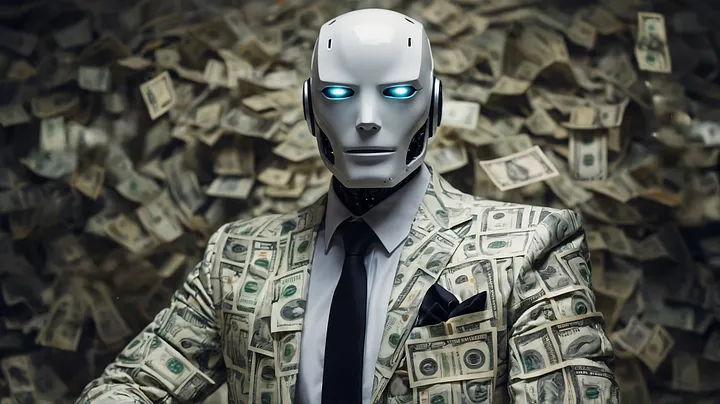
How will AI impact the future?
Artificial intelligence (AI) is already changing many aspects of our lives, and it is expected that it will have an even greater impact in the future. Here are some ways AI could affect the future:..

How will AI impact the future? Automation:
AI has the potential to automate many jobs, including those that are currently being done by humans. This could lead to greater efficiency and productivity, but also to job relocations and economic disruptions.
Health:
AI can help improve health outcomes by analyzing large amounts of patient data to identify patterns and predict outcomes. This could lead to better diagnoses, personalized treatment plans and more effective medications.
Transport:
It is expected that self-driving cars and other autonomous vehicles will become more common in the future, which could reduce accidents and traffic jams. However, this could also lead to job losses for drivers and other transport workers.
Education:
AI can help to personalize learning for students by analyzing their strengths and weaknesses and tailoring lessons to their needs. This could lead to better educational outcomes for students and more efficient use of resources for schools.
Ethics:
As AI becomes more and more powerful, there are concerns about its impact on society and the potential for it to be used in harmful ways. Ethical guidelines and regulations are required to ensure that AI is developed and used responsibly and safely.
The influence of AI on the future:
Overall, the impact of AI on the future will depend on how it is developed and used. It has the potential to bring significant benefits, but there are also risks and challenges that need to be addressed.
How will AI impact the future?
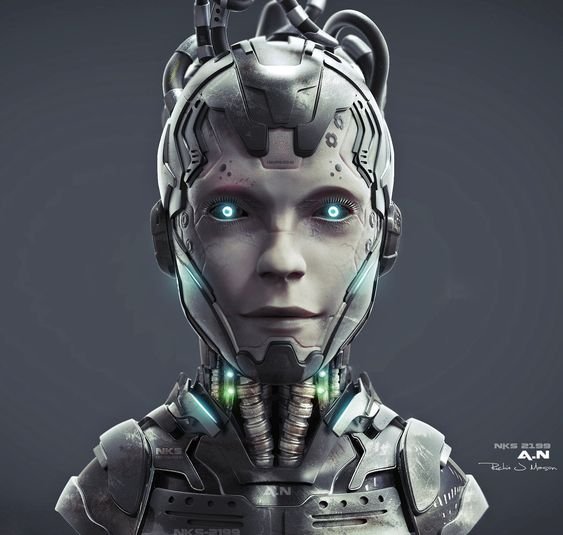
A technology that will revolutionize the way we live, work and interact with each other. In this letter, we will discuss the various aspects of AI, its impact on various fields, and how it will shape the future.
What is AI?
First of all, it is important to understand what AI is. AI refers to the simulation of human intelligence in machines that are programmed to think and learn like humans. These machines can analyze large amounts of data, recognize patterns and make decisions based on their analysis. There are two types of AI - narrow or weak AI and general or strong AI.
Effects on different areas:
AI will have a profound impact on numerous areas. In the healthcare sector, AI is already helping with disease diagnosis and offering personalized treatment plans. In education, AI can personalize learning and evaluate students' performance. In the financial sector, AI can detect fraudulent activities and speed up the decision-making process. Industries that produce goods will benefit from the ability of AI to optimize production and save costs. The automotive industry will also change with the advent of self-driving cars that use AI to navigate roads.
Impact on jobs:
One of the most important concerns of AI is its impact on employment. While AI is expected to create new job opportunities, it can also replace many jobs currently performed by humans, such as customer service, data entry, and some aspects of manufacturing. However, AI cannot replace jobs that require a human touch, such as healthcare, education, or creative roles.
Ethical issues:
There are also ethical issues related to the implementation of AI, such as privacy concerns and AI biases. The latter refers to a type of discrimination that AI may exhibit based on the data it uses. For example, if an AI system is trained with biased data, it can maintain this bias and discriminate against certain groups of people.
Conclusion:
AI is an unprecedented technology that has the power to significantly change our world. Its immense potential to bring about positive change makes it imperative to review and regulate its implementation. AI may not be the ultimate solution to all our problems, but it can definitely pave the way for a better future if used wisely.
Cut outs:
That's it for today's text. If you liked it, please click the like button and share it with your friends.