Can humans Trust AI?
Whether people can trust AI depends on the context and the respective AI system. In some cases, AI systems have been designed to perform certain tasks that are reliable and trustworthy, such as facial recognition software to unlock smartphones. ..

Can humans Trust AI? AI Systems:
However, in other cases, AI systems may be prone to errors, distortions or unintended consequences and may not be trustworthy.
Overcoming challenges:
One of the most important challenges in the development of AI systems is to ensure that they are transparent, explainable and accountable.
In other words, it should be possible for humans to understand how an AI system makes decisions and to hold the system accountable for its actions.
AI:
This is especially important when AI is used to make decisions that affect people's lives, for example in healthcare, criminal justice or financial services.
Trust in AI:
In order to build trust in AI, it is important to ensure that the technology is developed and used responsibly and ethically.
Design considerations:
This may include incorporating ethical considerations into the design of AI systems, ensuring their transparency and explainability, and providing adequate oversight and regulation.
In addition, it is important to involve a diverse group of stakeholders in the development of AI, including representatives of affected communities, to ensure that the technology reflects a wide range of perspectives and values.
Can humans Trust AI?
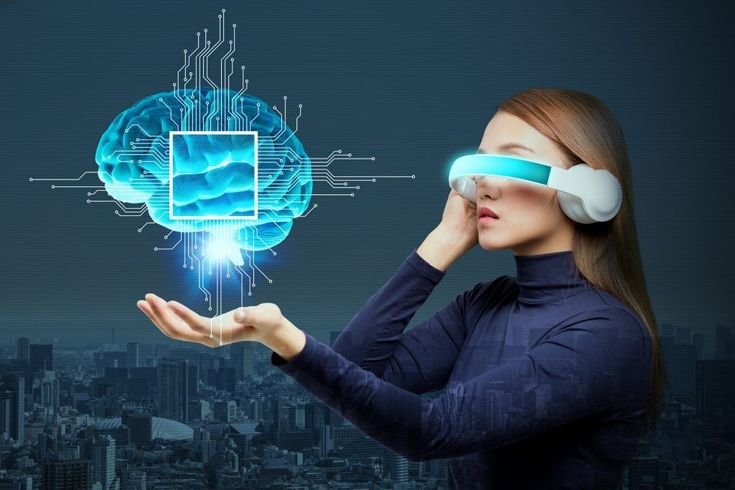
In today's text, we will examine the topic of artificial intelligence and its increasing role in our lives. Specifically, we will deal with the issue of trust. Can people trust AI?
This question may seem simple at first glance, but it carries a lot of weight. So buckle up and let's dive into this fascinating discussion.
[What is artificial intelligence?]
Artificial intelligence, or AI for short, is a term that describes machines that can perform tasks that typically require human intelligence. These tasks include image recognition, speech recognition, learning and decision-making. We have come a long way since the beginning of AI, when machines could only perform simple tasks. Today, machines with advanced AI systems can even beat people at games such as chess, go and poker. But can we trust these machines?
[The question of trust]
The question of trust is not new. Throughout history, people have always had to trust that things are working properly. For example, we trust that the food we eat feeds us, the cars we drive to get us safely to our destination, and the phones we use to make our lives easier. However, with AI, the issue of trust becomes more complicated. Unlike conventional machines that follow pre-programmed rules, machines with AI create these rules themselves. This means that we don't always know how AI systems make their decisions. It also means that AI can be unpredictable. This unpredictability makes many question whether we can really trust machines with AI.
[Cases of AI failure]
It is important to remember that AI has made impressive progress over the years, but it is not infallible. There have been several cases when AI systems failed, with serious consequences. In 2018, a self-driving Uber car hit and killed a pedestrian in Arizona. The car's AI system did not recognize the person crossing the road. In another case, Amazon had to abolish its AI recruitment tool because it showed prejudice against women. These cases illustrate the serious effects of blind trust in AI.
[The Future of AI]
So, where do we go from here? Is there a solution to this trust problem?
The truth is, we don't know. AI is still a relatively new field, and we are just beginning to scratch the surface of what it can do. However, one thing is clear.